Android vs. Windows Industrial Panel PCs: Architecture, Licensing, and Field Deployment

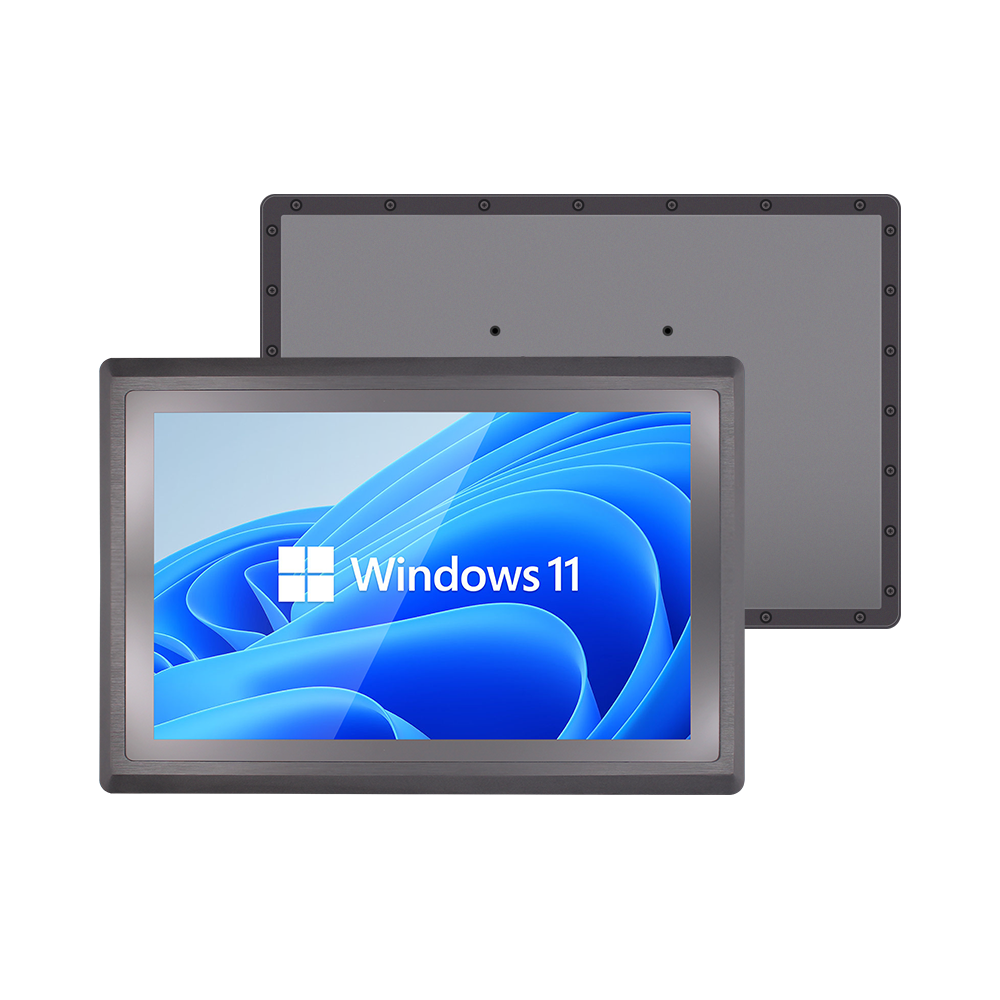
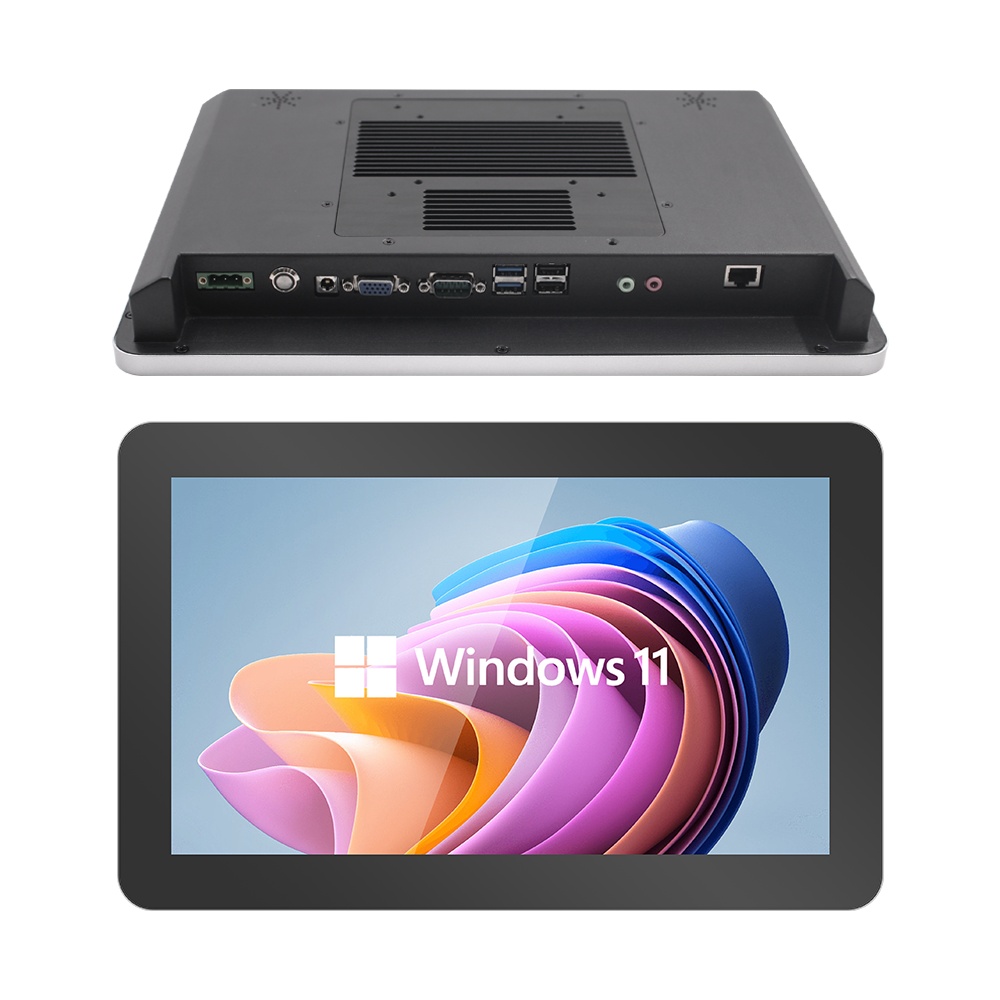
Choosing the operating system architecture for factory edge terminals shapes software maintenance overhead, hardware unit costs, and field deployment flexibility. Automation engineers and OEM equipment builders increasingly evaluate ARM-based Android Platforms alongside traditional x86 Windows Systems (Windows 10/11 IoT Enterprise). While Windows remains the legacy standard for heavy supervisory control and data acquisition (SCADA), modern

Android vs. Windows Industrial Panel PCs: Architecture, Licensing, and Field Deployment Read More »

Industrial Display Backlight Maintenance: Diagnosing LED Degradation and MTBF Life Expectancy

In manufacturing plants and control rooms running 24/7/365, industrial monitors and panel PCs operate continuously. Over years of uninterrupted service, operators occasionally report that a critical supervisory display appears dimmer, shows color shifts around the edges, or flickers intermittently during startup. Because solid-state LED backlights do not burn out abruptly like legacy CCFL fluorescent tubes,

Industrial Display Backlight Maintenance: Diagnosing LED Degradation and MTBF Life Expectancy Read More »

Aviation M12 Connectors vs. Standard RJ45/USB: The Science of Washdown Sealing

Industrial panel PCs deployed in washdown halls and vibration-heavy machinery must maintain complete ingress isolation. While front-panel bezels frequently earn IP65 or IP67 ratings, the rear I/O panel remains the primary vulnerability on standard computers. Standard commercial computer ports—such as snap-in RJ45 Ethernet jacks, friction-fit USB Type-A ports, and barrel power plugs—are designed for office

Aviation M12 Connectors vs. Standard RJ45/USB: The Science of Washdown Sealing Read More »

Cold Storage and Blast Freezers: Overcoming LCD Crystal Sluggishness and Internal Condensation

Cold chain logistics facilities, frozen food packaging plants, and industrial blast freezers represent harsh operational environments for industrial computing. Temperatures inside blast freezing tunnels regularly plunge to $-30^\circ\text{C}$ ($-22^\circ\text{F}$), while staging docks remain at $-18^\circ\text{C}$. Standard consumer screens or unheated factory automation terminals fail quickly in sub-zero facilities: liquid crystals become sluggish (producing severe motion

Cold Storage and Blast Freezers: Overcoming LCD Crystal Sluggishness and Internal Condensation Read More »

Stainless Steel Grades for Industrial HMIs: 304 vs. 316L Chemical & Pitting Resistance

In food processing plants, beverage bottling lines, chemical refineries, and pharmaceutical manufacturing suites, specifying the wrong enclosure metallurgy for operator terminals causes rapid equipment failure. Exposure to harsh sanitizing biocides, chlorinated foaming cleaners, and concentrated brine solutions strips inferior finishes and pits sheet metal. For sanitary computing, automation engineers rely primarily on austenitic stainless steels:

Stainless Steel Grades for Industrial HMIs: 304 vs. 316L Chemical & Pitting Resistance Read More »

Field Troubleshooting Touch Screen Drift: Environmental Calibration and Grounding Solutions

Touch coordinate drift—where the operating system’s cursor registers millimeters or inches away from the operator’s physical touch point—is among the most frustrating field issues in factory automation. In automated assembly plants, drift leads to operator input errors, delayed machine stops, and rejected quality inspection entries. When cursor drift occurs, maintenance technicians frequently assume the touch

Field Troubleshooting Touch Screen Drift: Environmental Calibration and Grounding Solutions Read More »

Thermal Dissipation in Fanless Panel PCs: Aluminum Extrusion vs. Die-Cast Heatsink Design

In industrial computing, cooling fans represent the primary source of hardware failure. Fan bearings degrade in dusty air, blades clog with atmospheric oil mist, and fan motor failure leads to rapid processor thermal throttling or catastrophic silicon shutdown. To achieve continuous 24/7 reliability, modern industrial computers utilize Fanless Passive Cooling. Without intake fans, the entire

Thermal Dissipation in Fanless Panel PCs: Aluminum Extrusion vs. Die-Cast Heatsink Design Read More »

Mining and Heavy Machinery HMIs: Engineering Full IP67 Enclosures for Vibration and Shock

Open-pit mining, aggregate quarries, and heavy construction sites represent some of the most punishing operating environments on earth. Operator cabins on excavators, haul trucks, rock crushers, and surface drill rigs subject onboard computing systems to continuous mechanical shock, intense dust clouds, and extreme weather shifts. Commercial tablets and standard sheet-metal panel PCs fail quickly under

Mining and Heavy Machinery HMIs: Engineering Full IP67 Enclosures for Vibration and Shock Read More »

Rack Mount vs. Panel Mount Industrial Monitors: Server Cabinet and HMI Integration Guide

Integrating visualization hardware into industrial environments requires matching the display’s mechanical chassis to the enclosing structure. Automation engineers commonly choose between two standardized mounting architectures: 19-inch Rack Mount and Front Panel Mount. While both provide robust metal enclosures, their mechanical dimensions, fastening locations, and ingress protection capabilities serve fundamentally different operational environments. Choosing the wrong

Rack Mount vs. Panel Mount Industrial Monitors: Server Cabinet and HMI Integration Guide Read More »

Cleaning and Sanitizing Touchscreens in Pharmaceutical Cleanrooms: Alcohol and Chemical Compatibility

Pharmaceutical manufacturing suites, compounding cleanrooms, and semiconductor fabrication halls operate under strict hygiene protocols (ISO 14644-1 and GMP Annex 1). Touch interfaces used in these environments must be sanitized multiple times per shift using aggressive biocides, sporicides, and alcohol solutions. Using incorrect chemical sanitizers or improper wipe-down procedures on commercial-grade monitors quickly leads to cloudy

Cleaning and Sanitizing Touchscreens in Pharmaceutical Cleanrooms: Alcohol and Chemical Compatibility Read More »