
Industry Solutions & Applications

marine fishing monitor 4

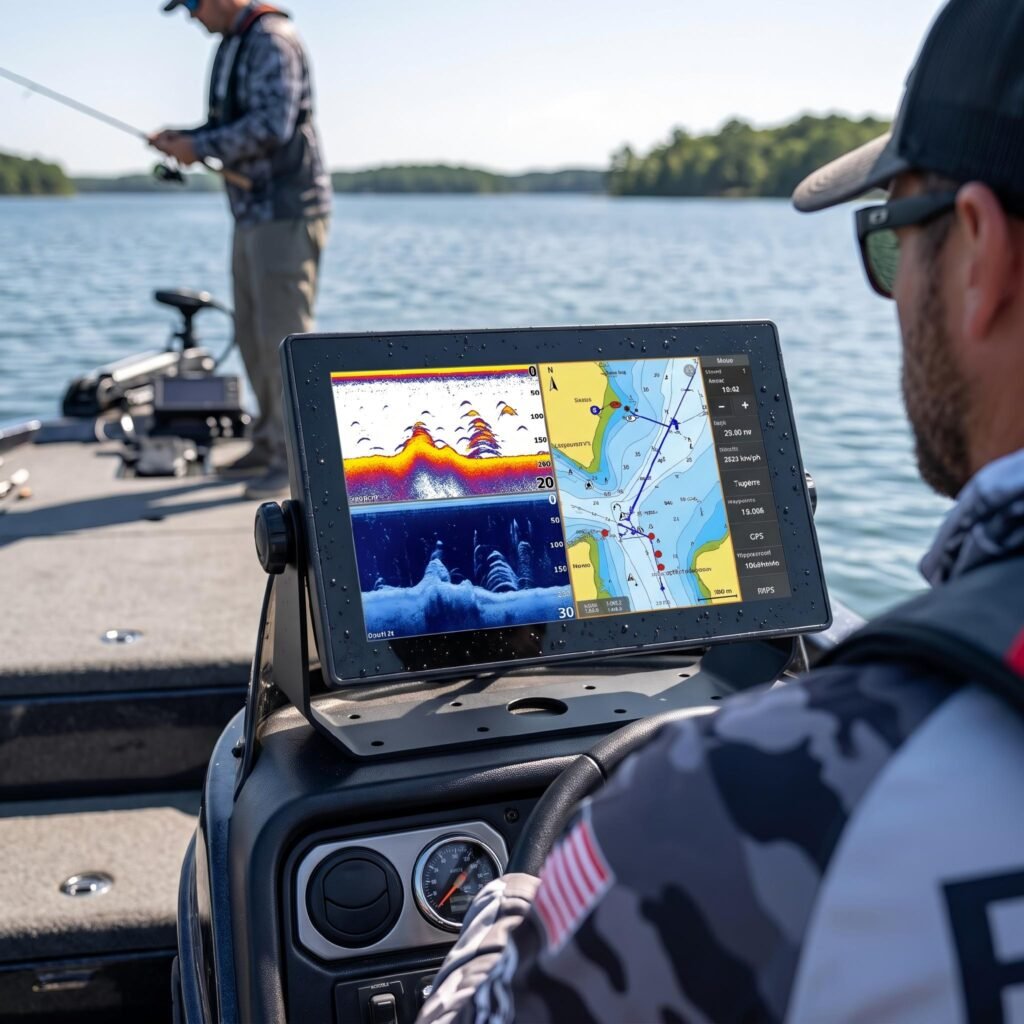
Tournament Bass & Saltwater Cockpit Deployment: Dual-Station Marine Touch Displays

Modern tournament bass fishing and offshore saltwater competition have transitioned into technology-driven disciplines where high-speed visual analytics dictate victory. Competitive boats frequently run synchronized dual-station cockpit architectures: a multi-screen primary helm array at the console steering station, coupled with an auxiliary high-responsiveness display mounted directly on the bow casting deck adjacent to the trolling motor.

Tournament Bass & Saltwater Cockpit Deployment: Dual-Station Marine Touch Displays Read More »

Cleanroom Operator Verification: Integrating Cameras & Microphones in Stainless Steel Android HMIs

Strictly controlled pharmaceutical cleanrooms, sterile compounding suites, and semiconductor manufacturing cells demand rigid access control, batch audit verification, and remote audio-visual collaboration. Regulatory mandates such as FDA 21 CFR Part 11 require continuous verification of operator identities during critical batch-release steps. Traditionally, cleanroom personnel relied on manual badge swipes or shared password terminals. In sterile

Cleanroom Operator Verification: Integrating Cameras & Microphones in Stainless Steel Android HMIs Read More »

Traceability in Food & Pharma Packaging: Integrating Optical Barcode Scanners in Washdown HMIs

Modern pharmaceutical primary packaging lines, meat traceability conveyors, and automated serialization suites operate under rigid regulatory oversight—such as FDA 21 CFR Part 11 and EU GMP Annex 11. Every lot number, expiry date, and unit barcode must be verified at high speed to eliminate counterfeit packaging and maintain batch genealogy. Packaging line integrators traditionally deploy

Traceability in Food & Pharma Packaging: Integrating Optical Barcode Scanners in Washdown HMIs Read More »

HMI Architecture in Dairy & Chemical CIP Washdown: Die-Cast Aluminum vs. SUS304 Stainless Steel

Automated clean-in-place (CIP) and clean-out-of-place (COP) sanitation routines in dairy bottling, milk pasteurization, and chemical mixing facilities represent some of the most aggressive physical environments for industrial automation electronics. Lines undergo multi-stage washdowns involving 1.5% to 2.0% hot sodium hydroxide (caustic soda, pH ≥ 12) at 75°C, followed by intermediate nitric or phosphoric acid rinses

HMI Architecture in Dairy & Chemical CIP Washdown: Die-Cast Aluminum vs. SUS304 Stainless Steel Read More »

CCTV Telemetry & Sunlight Readability: Integrating AHD and 1500 Nits Displays in Heavy Vehicles

Heavy mobile machinery—including open-pit mining haul trucks, harbor gantry cranes, agricultural harvesters, and terminal container tractors—operates under intense environmental illumination and severe physical shock. Drivers and tele-operators rely on in-cab human-machine interfaces (HMIs) not only for vehicle telemetry and engine diagnostics, but for real-time blind-spot safety camera surveillance. Consumer automotive displays fail quickly under these

CCTV Telemetry & Sunlight Readability: Integrating AHD and 1500 Nits Displays in Heavy Vehicles Read More »

Food Processing Automation: Overcoming Caustic Washdown & Hygiene Dead Zones

Food processing environments—ranging from poultry abattoirs to automated dairy bottling lines—operate under strict sanitary mandates (such as FDA and EHEDG guidelines). Daily sanitation protocols involve aggressive chemical foaming using chlorinated alkaline detergents, followed by high-pressure hot water washdowns. When selecting computing hardware for shop-floor weighing, recipe formulation, and MES terminal logging, engineers must eliminate two

Food Processing Automation: Overcoming Caustic Washdown & Hygiene Dead Zones Read More »